Ukraine Seeks Independence from Starlink as Musk’s Political Leverage Grows
Faced with service disruptions and the influence of Elon Musk’s political views, Kyiv and its European allies are accelerating plans to reduce reliance on the dominant satellite network.
By Thabo Mokoena ·
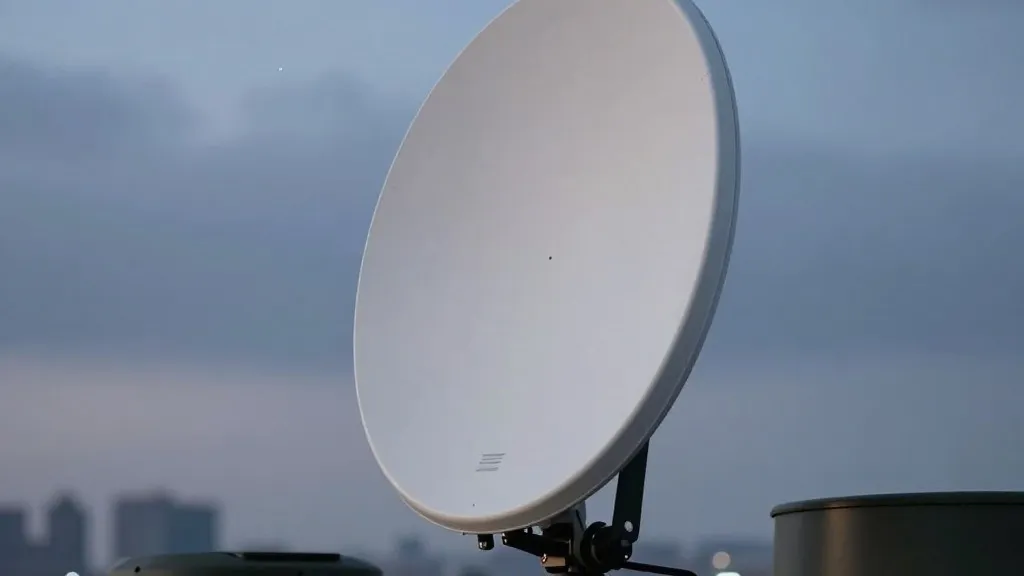
The backbone of Ukraine’s digital defense is under strain as political dynamics surrounding its provider create new vulnerabilities.
Starlink has been instrumental in sustaining Ukraine’s resistance against Russia’s full-scale invasion for several years. However, the service has become increasingly unreliable in recent months due to the owner’s political inclinations and unexpected service disruptions. This instability has forced both Ukrainian officials and European partners to confront the urgent question of how to maintain connectivity without such heavy dependence on a single commercial entity.
The network currently stands as the world’s largest communications satellite system, enabling high-speed internet and data streams for any user or vehicle equipped with a compact terminal. This capability has allowed Ukraine to maintain vital communications for both civilian life and military operations. It has also significantly expanded the Ukrainian military’s capacity to remotely control drones, providing guidance for air defense against Russian attacks and for striking back at enemy targets.
Despite its dominance, the system is not without technical constraints. According to the head of hardware research and development at Ukrainian defense company BlueBird Tech, Starlink offers some of the best satellite coverage available, with virtually no competitors when considering the combination of cost, availability, and ease of use. However, the main practical limitation remains the need to position the antenna correctly to receive signals from the satellites. This representative provided comments anonymously for security reasons.
The financial and logistical burden of this connectivity has been shared by major international backers. The US government, along with European nations such as Poland and Germany, has paid SpaceX for tens of thousands of commercial Starlink terminals to be sent to Ukraine. These countries have also covered the associated subscription fees to keep the service running for the Ukrainian population and military.
To mitigate the risks of relying solely on commercial infrastructure, the US government has granted Ukraine’s military access to a military-grade version of the service known as Starshield. This upgraded access allows Ukrainian defense companies to test their own technologies in cooperation with the military, potentially creating more robust and independent communication pathways for the future.
The shifting landscape highlights a broader strategic challenge for Europe and its allies. As the geopolitical weight of commercial space providers increases, the need for diversified communication infrastructure becomes more apparent. The current disruptions underscore the urgency of developing alternatives or securing more stable agreements to ensure that critical communications do not hinge on the political decisions of a single private sector leader.
For now, the integration of Starshield and the testing of new technologies by companies like BlueBird Tech represent the first steps toward a more resilient system. While Starlink remains the primary workhorse for Ukrainian communications, the momentum is building to reduce the service’s monopoly on the battlefield and in civilian infrastructure. The coming months will likely see increased investment in alternative satellite solutions and deeper military-civilian technological collaborations to secure Ukraine’s digital lifeline.
Source: Ars Technica